About the Speakers & Facilitators
abhaya rajani
abhaya rajani (they/she) is a dalit queer feminist transdisciplinary artist, a trained architect and a cook. They investigate temporal (in)tangibility to cognise anti-caste ancestral knowledge(s) through gestures of cooking, weavings, performances, somatic, and situational-scripts. abhaya is co-founder of Godhadi, I. H. N. and studio अँक़्क़्वाःंaccqueī. They are a recipient of the Stanley Picker Fellowship at Kingston School of Art. Previously, abhaya worked as a co-investigator on the research project, Touching on Caste configured in ‘within dalit spores’ Godhadi exhibition. Further abhaya performed the wearable installation of dalit spores at The Place, London as part of South Asian Dance Equity conference. Currently, as an awardee of CHASE doctoral scholar, abhaya is undertaking a practice-based PhD at Goldsmiths, University of London in Art dept.
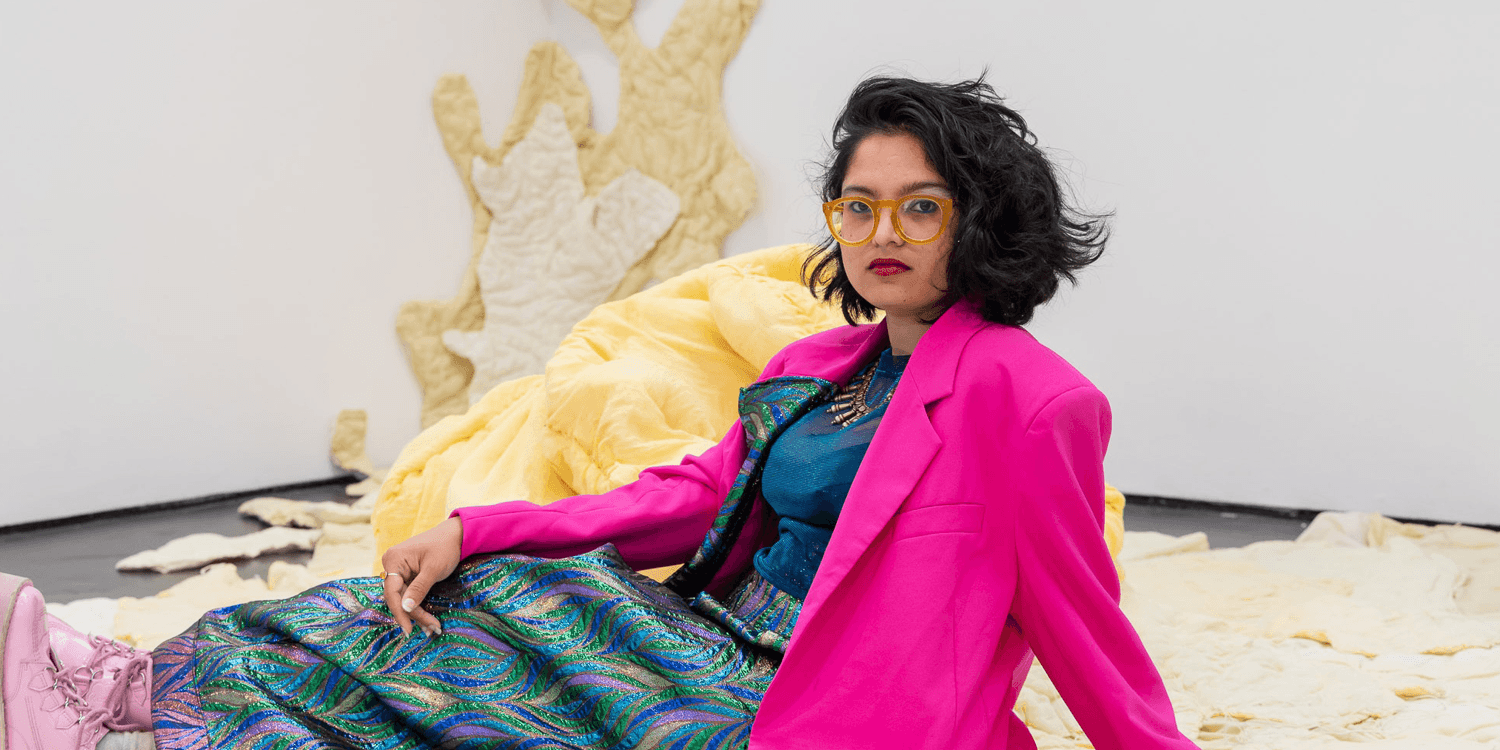 Headshot of abhaya rajani. Photo: Jules Lister.
Dr Ama Josephine Budge Johnstone
Dr Ama Josephine Budge Johnstone (she/her) is a British-Ghanaian speculative writer, artist, scholar and pleasure activist whose praxis navigates that which she has termed “Intimate Ecologies” to explore Blackness, erotics and the more-than-human in queer and speculative ways toward interspecies futures. Her sculptural, video, performance and installation work has been commissioned and installed internationally including in London, Berlin, Utrecht, Madrid and New York. Ama is a Course Tutor & Lecturer at University of the Arts London, an MFA tutor at the Sandberg Institute in Amsterdam, and a Research Associate at VIAD (University of Johannesburg). Her PhD project: Intimate Ecologies: Queer Speculations on Pleasure Blackness and Decolonial Aesthetics was awarded in 2025 without corrections.
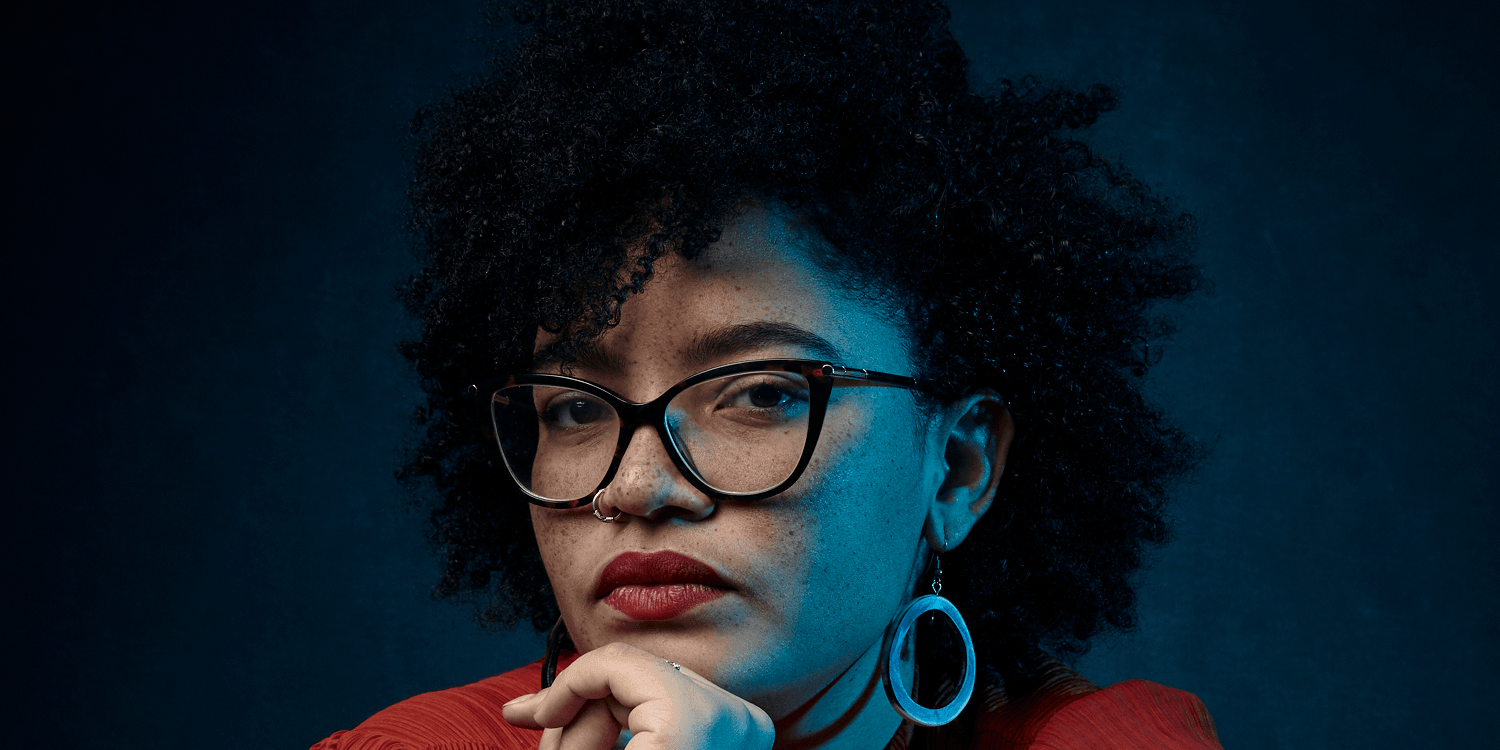 Headshot Dr Ama Josephine Budge Johnstone. Photo: Zachary Maxwell Stertz.
Dr Janine Francois
Dr Janine Francois is a Black British feminist scholar, curator and cultural producer of St Lucian and Dominican heritage, whose work interrogates climate justice through Black feminist, and anti-colonial approaches . She is an Associate Professor and Director of Climate Justice at The Bartlett School of Architecture, UCL. Her interdisciplinary practice bridges research, writing, curatorial inquiry and public engagement to explore the cultural, spatial and ecological dimensions of the climate crisis. Janine is the founder of Sacred Black Ecologies, a transoceanic project positioning land, plants, water as ancestral memory and living archives across the Caribbean, West Africa and Britain. She has held curatorial residencies at London College of Communication Studios, Guest Projects Africa/Guest Artists Space and Hackney Museum, and is an Asiko Art School alumna. She has curated programmes for Tate Britain, the Victoria and Albert Museum, INIVA, Autograph, the Barbican, National Portrait Gallery and Library of Africa and the African Diaspora in Ghana.
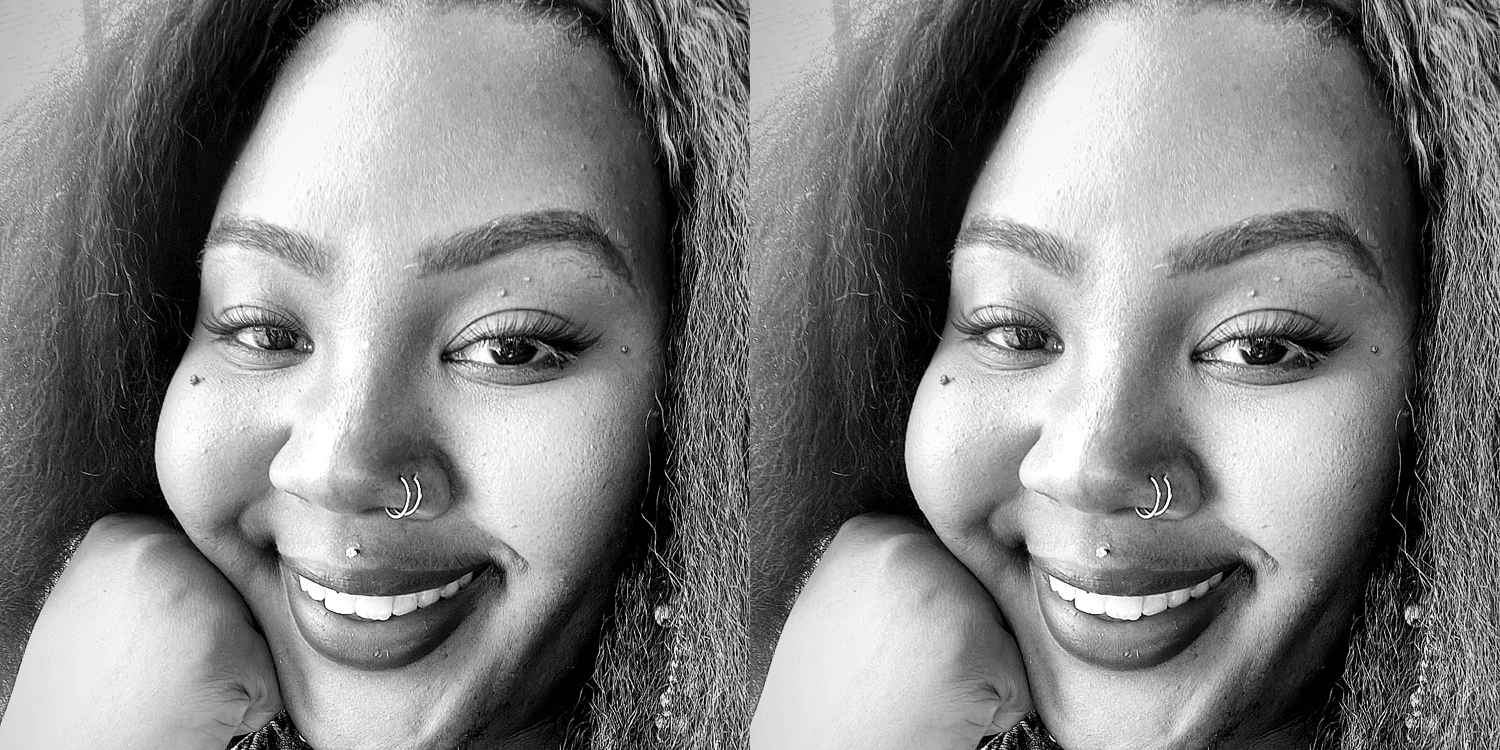 Headshot of Dr Janine Francois. Courtesy of the artist.
Jonn Gale
Jonn Gale is a London-based ethnobotanist and artist whose interdisciplinary practice explores the interstitial spaces between botanical archives and embodied plant knowledge through the concept of the ecotone. Combining ethnobotanical research, speculative archival inquiry, and essay film, her work examines how marginalised histories and ecological knowledges surface through sites of encounter and exchange. She is currently undertaking an AHRC/CHASE-funded collaborative practice-led doctorate at Birkbeck, University of London, in partnership with the Linnean Society of London, investigating the overlooked contributions of Black naturalists to eighteenth- and nineteenth-century natural knowledge.
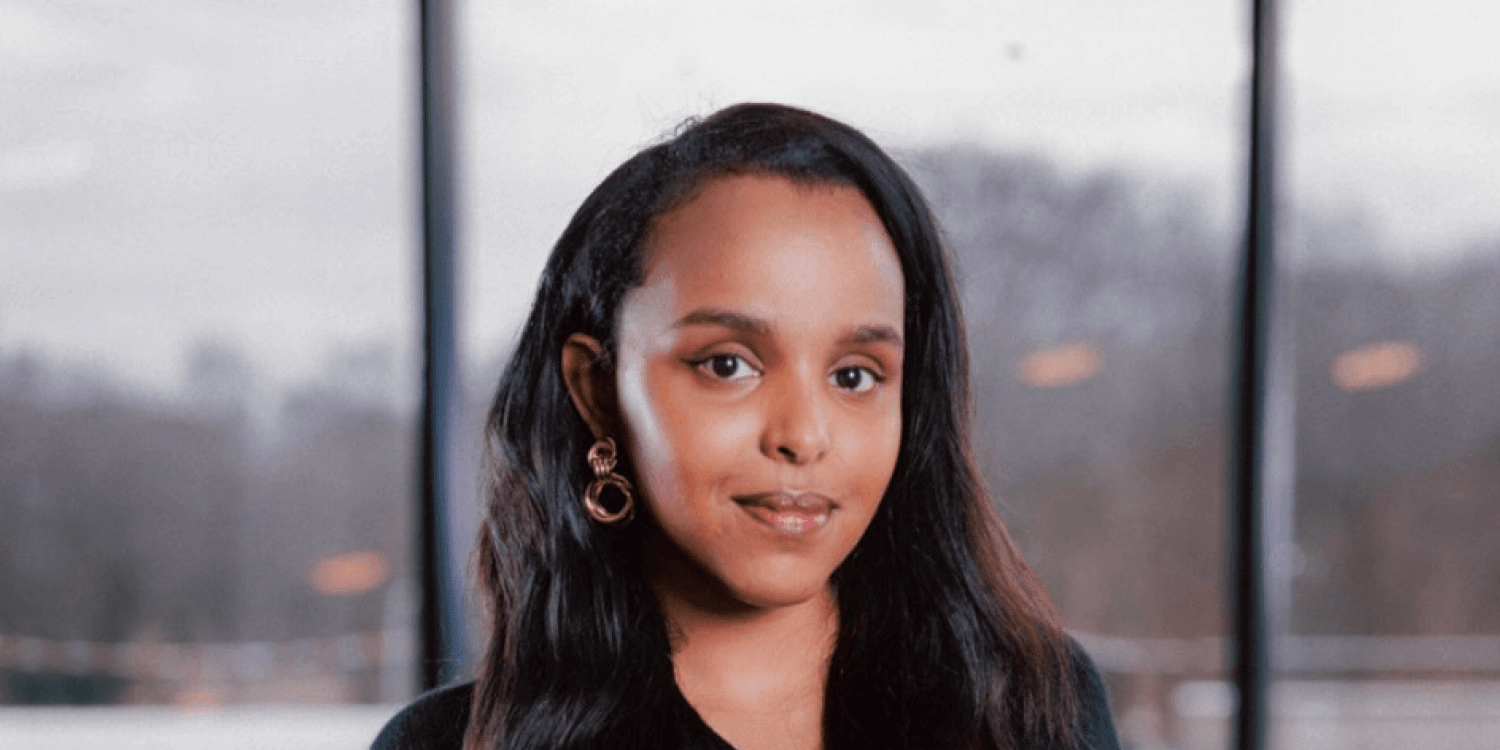
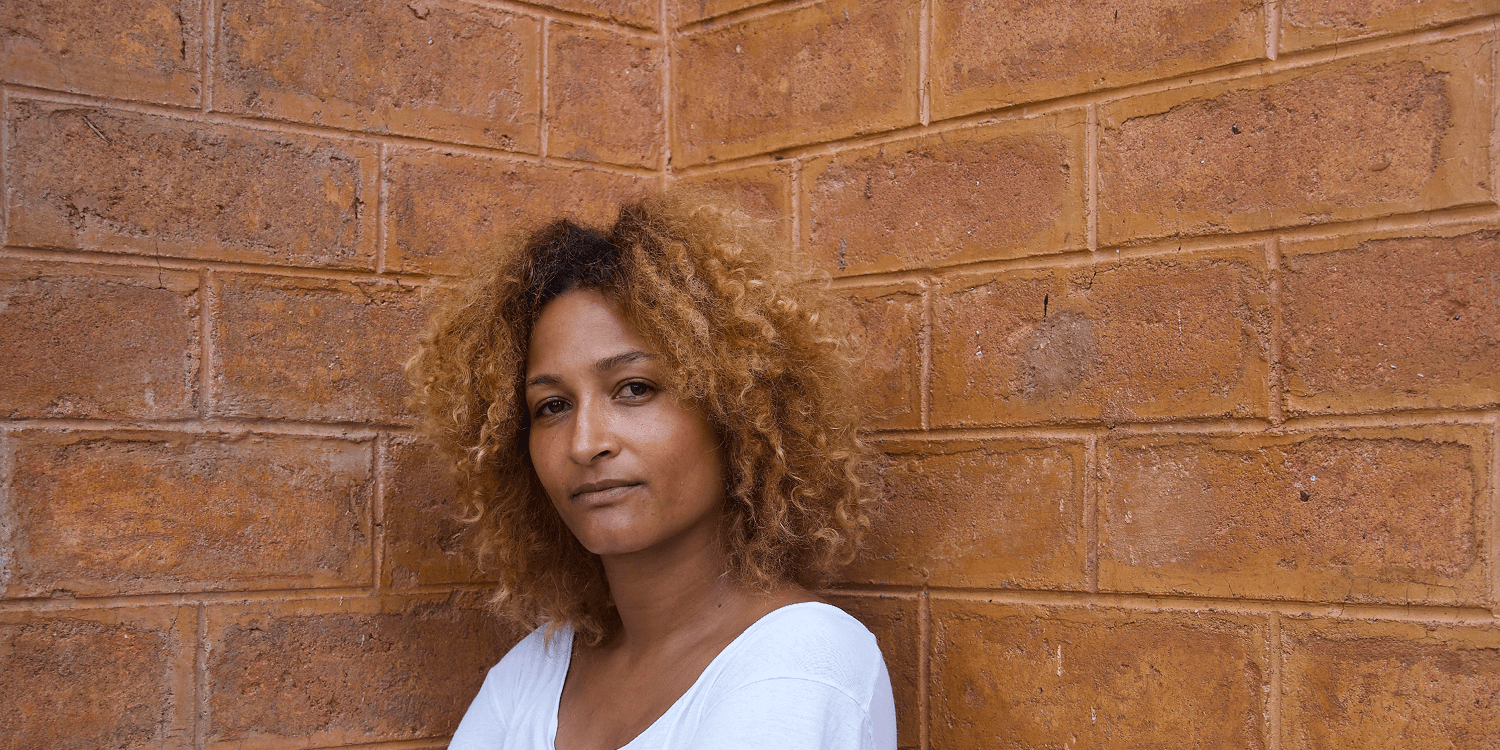 Headshot of Jonn Gale. Photo: Funmi Ogunshina.
Naima Hassan
Naima Hassan curates the Re:assemblages programme and coordinates its corresponding African Arts Libraries Lab (AAL Lab) and Affiliates Network, hosted by the Yinka Shonibare Foundation and Guest Artists Space (G.A.S.) Foundation. As the inaugural archivist of the G.A.S. Library and Picton Archive (2022–2025), she played a key role in the development of the Foundation's archival infrastructure, working closely with Emeritus Professor John Picton (SOAS, University of London) on the accessioning of the Picton Archive and Reference Collection. She has contributed extensively to international museum, archive, and research networks, including Steering Board, TheMuseumsLab (2023–2025) Nieuwe Instituut's New Currents: Indian Ocean Futures Working Group (2024–2025). In 2022, she co-founded the archive platform SITAAD with Leyla Degan. Based in Berlin, she is also Managing Editor at Contemporary And (C&).
 Naima Hassan, 2024. Photo: Alexander Steffans.
About the programme
The AAL Lab Convenings are a hybrid series of public events moving across cities, time zones, and institutions, exploring the porous boundaries between contemporary art and archival practice. The series is hosted within the framework of the Guest Artist Space (G.A.S.) Foundation and the Yinka Shonibare Foundation’s Re:assemblages programme and its corresponding AAL Lab Network and Affiliates Network.
Re:assemblages is curated by Naima Hassan and is supported by the Foundations’ joint planning committee, led by Belinda Holden and Moni Aisida alongside Samantha Russell and Catherine Bardi. Bringing together an international group of advisors, the programme is further guided by Dr Beatrix Gassman de Sousa, Natasha Ginwala, Dr Rangoato Hlasane, Serubiri Moses, and Dr Oluwatoyin Zainab Sogbesan.
The Ecotones theme for the Re:assemblages programme was conceptualised by Jonn Gale in the framework of her PhD placement at G.A.S. Foundation in 2025.
Re:assemblages is a three-year programme hosted by Guest Artists Space (G.A.S.) Foundation and Yinka Shonibare Foundation (Y.S.F.) that explores how archives of art and literature from Africa and its diaspora can be cared for, shared, and activated today. The programme has included international gatherings, symposia, publishing, and research activities. The final year of the programme, titled Rehearsing Horizontality, is shaped in collaboration with the AAL Lab and Affiliates Network. The convening series is made possible through the generous support of the Terra Foundation for American Art, with this convening co-funded by the Arts and Humanities Research Council (AHRC).
Head Image: Film still from Sacred Black Ecologies (2025), conceived and directed by Dr Janine Francois. Courtesy of the artist.
